
Gauteng police have stockpiled rubber bullets and are planning the deployment of more than 13 000 traffic and police officers ahead of planned anti-immigrant protests in the country on 30 June.
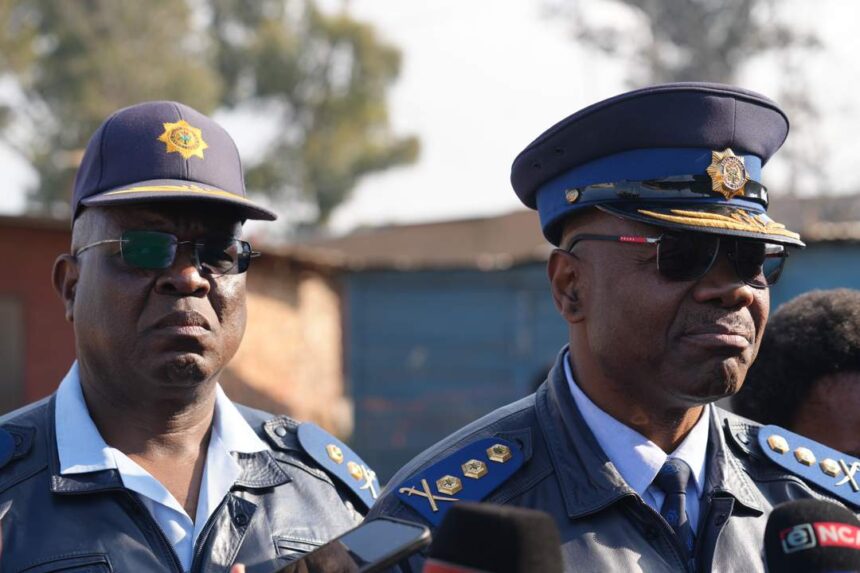
Addressing the media at the Eldorado Park police station on Thursday, Gauteng police commissioner Lieutenant General Tommy Mthombeni said law enforcement agencies had developed a comprehensive operational plan to prevent violence and maintain public order.
According to Mthombeni, the deployment will include more than 2 000 traffic officers, 8 000 traffic wardens, and thousands of private security personnel, who will work alongside South African Police Service (SAPS) officers.
“Gauteng is among key provinces that will be closely monitored on 30 June and beyond,” Mthombeni said.
Several helicopters, drones, and more than 33 000 CCTV cameras will be used to monitor protest activity in the province. Police have already identified several hotspots that will be closely monitored before, during, and after the protests.
The commissioner said police had learnt lessons from the July 2021 unrest, during which officers were criticised for running out of rubber bullets and failing to contain widespread looting and violence.
A report by the South African Human Rights Commission found that police resources were stretched and that some officers had to obtain rubber bullets from other law enforcement agencies.
Mthombeni said:
We have done the audits of our resources, including rubber bullets. We have stockpiled rubber bullets. We will not run out of ammunition.
Commenting on the recent arrival of 17 buses of repatriated Malawian nationals from KwaZulu-Natal at a bus depot in the Phumla Mqashi informal settlement in Lenasia South, he admitted that the police should have intercepted the buses before they reached the depot.
“The buses ended up at the bus depot in Phumla Mqashi because the drivers did not have passports. We should have picked up those buses at our weighbridges on the N3 freeway. Had we picked up those buses, we would have stopped them before they reached Lenasia South,” he said.
Mthombeni said that the 1 105 Malawian nationals should have remained at the depot while authorities processed the matter, adding:
The community became angry when they saw them roaming around the settlement.
Responding to questions about police readiness for the planned demonstrations, Mthombeni said law enforcement authorities had adopted a three-phase strategy, including intelligence gathering and threat assessments before the protests; the deployment of specialised units and air support on the day of the demonstrations; and continued policing operations from 1 July onwards.
Mthombeni warned protesters against taking the law into their own hands.
“Protesters must be peaceful and unarmed. They must be mindful of the Constitution. They must refrain from demanding passports from immigrants,” Mthombeni said.
“We are always prepared and have planned for the day accordingly.”
The commissioner said police would act against anyone involved in violence, regardless of nationality.
“We are here to ensure residents are safe. We are concerned about what happened in the past, including previous violent xenophobic attacks,” he said, referencing the 2008 and 2015 violence that left several people dead.
“We have resources in place. All our monitoring mechanisms will be operational. We are also against foreigners who may violently retaliate against or provoke protesters.”