
From Fringe Firebrand to Continental Influencer: The Calculated Rise of Kémi Séba
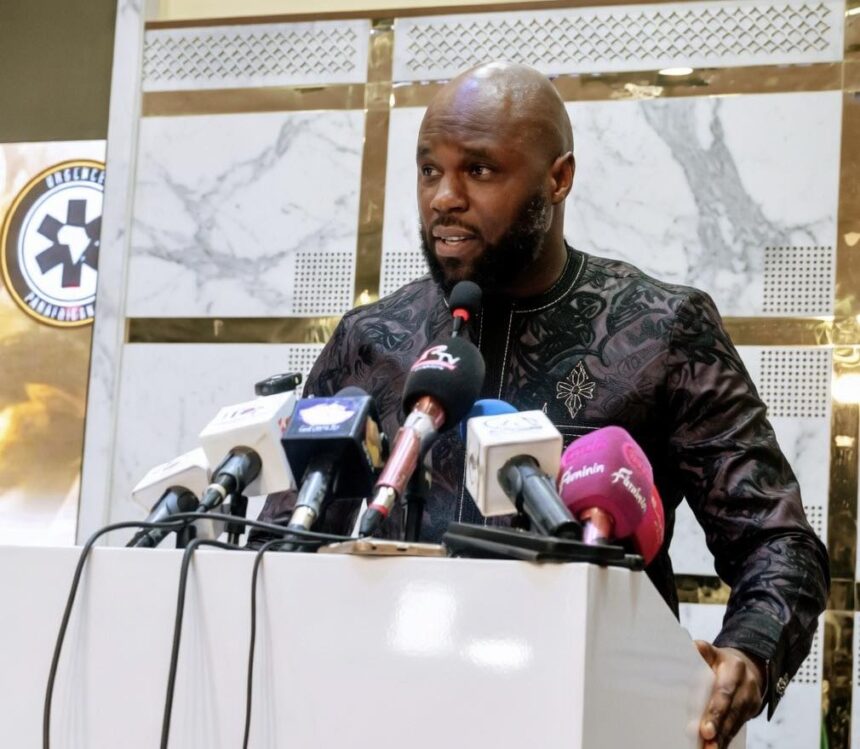
The trajectory of Kémi Séba, born Stellio Gilles Robert Capo Chichi, is as controversial as it is carefully constructed – a journey that has taken him from the margins of radical activism in France to the centre of political discourse across parts of Africa.
Now in the spotlight again following his arrest in South Africa and an ongoing legal battle linked to extradition to Benin, Séba’s evolution offers a case study in how ideology, media strategy and geopolitical positioning can converge to build influence far beyond traditional political structures.
Radical beginnings
Séba first emerged in the early 2000s as the leader of Tribu Ka, a French-based group founded on black nationalist and separatist ideology. The organisation was dissolved by French authorities in 2006 for allegedly inciting racial hatred, and Séba himself faced multiple convictions linked to similar rhetoric, as well as the withdrawal of his French citizenship.
ALSO READ: EAC: The East African Bloc Reshaping Africa’s Economic and Political Future
These early years established a pattern that would define his career: provocative messaging, legal controversy, and a willingness to operate at the edges of acceptable political discourse.
Reinvention in Africa
After leaving France, Séba repositioned himself in West Africa, particularly Senegal, where he began to shed the image of a fringe extremist and rebrand as a pan-Africanist intellectual and activist.
By the 2010s, he had become a familiar face on regional television and a speaker at universities, tapping into a growing appetite among young Africans for anti-colonial narratives and critiques of Western influence.
Central to this reinvention was the founding of Urgences Panafricanistes in 2015, a non-governmental organisation that became the primary vehicle for his activism. Through it, Séba led high-profile campaigns against the CFA franc, a currency used in several Francophone African countries and criticised by protestors as a symbol of French economic control.
These campaigns, often theatrical and deliberately confrontational, helped transform him into a recognisable figure across Francophone Africa.
The power of spectacle and social media
Séba’s rise cannot be separated from his mastery of political theatre and digital amplification. From publicly burning a CFA franc banknote to renouncing his French citizenship in dramatic fashion, his actions have consistently been designed for maximum visibility.
This strategy has paid off. With more than a million followers across digital platforms, Séba has built a direct line to a youthful, disillusioned audience receptive to messages of sovereignty, anti-imperialism and African self-determination.
Analysts note that his messaging resonates not only because of its content, but because it aligns with broader geopolitical shifts, including declining trust in former colonial powers and the rise of alternative alliances.
Alignment with shifting geopolitics
In recent years, Séba has leaned into a more overtly geopolitical role. He has openly supported military regimes in the Sahel and positioned Russia as a counterweight to Western influence in Africa – a stance that has both expanded his reach and intensified scrutiny.
His appointment as an adviser to Niger’s military leadership emphasises this shift from activist to political actor operating within, and sometimes alongside, state power structures.
Critics argue that this alignment raises questions about whether his pan-Africanist rhetoric is being employed within broader global power contests.
Controversy as currency
Yet controversy has remained a constant. Séba has faced arrests, deportations and bans in multiple countries, with allegations ranging from incitement to support for rebellion to links with foreign actors continue to shadow his activities.
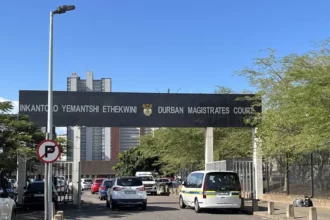
His recent arrest in South Africa, where authorities allege he was attempting to flee the country while facing an international warrant, has once again placed him at the centre of legal and political controversy.
For supporters, these incidents highlight his image as a persecuted truth-teller challenging entrenched systems. For critics, they emphasise a pattern of opportunism and destabilising rhetoric.
A carefully constructed influence
What distinguishes Séba’s rise is not just its scale, but its apparent intentionality. Each phase, from radical agitator to pan-African advocate to geopolitical influencer, reflects a recalibration rather than a rupture.
By blending ideological messaging with media savvy and strategic alliances, Séba has built a brand that transcends borders, even as it polarises opinion.
Whether viewed as a supporter of African sovereignty or a demagogue exploiting discontent, his ascent illustrates a broader reality: in a fragmented information landscape, influence is no longer confined to formal institutions. And controversy, when carefully managed, can be a powerful catalyst.