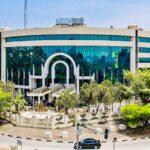


Gambian authorities, in collaboration with the Economic Community of West African States (ECOWAS) Commission, inaugurated the National Center for Response to Disinformation and Misinformation on Saturday, April 25, in Banjul.
Billed as a first in West Africa, the center aims to strengthen the protection of the information space, improve public trust, and safeguard democratic processes against the rise of misleading content and digital manipulation. In practical terms, it will reinforce early warning mechanisms, develop real-time fact-checking, and foster cooperation between member states in the fight against disinformation.
Authorities clarified that the system does not amount to a censorship tool. Rather, it serves as a mechanism designed to guarantee citizens access to reliable, verified, and transparent information at a time when digital content circulates faster than ever.
The launch comes as Gambia gains ground on press freedom indicators. According to the NGO Reporters Without Borders (RSF), the country climbed from 58th to 46th position in the 2026 World Press Freedom Index covering 180 countries. RSF also warns of “economic pressures” that weaken media outlets, leaving them vulnerable to external influence and precarity.
Beyond that national context, the rise of social media and artificial intelligence is reshaping an information landscape in which disinformation can spread rapidly — a challenge UNESCO highlighted as part of World Press Freedom Day 2025.
Ingrid Haffiny