
Inside Kémi Séba’s misinformation machine: Fake documents, AI images and the politics of perception
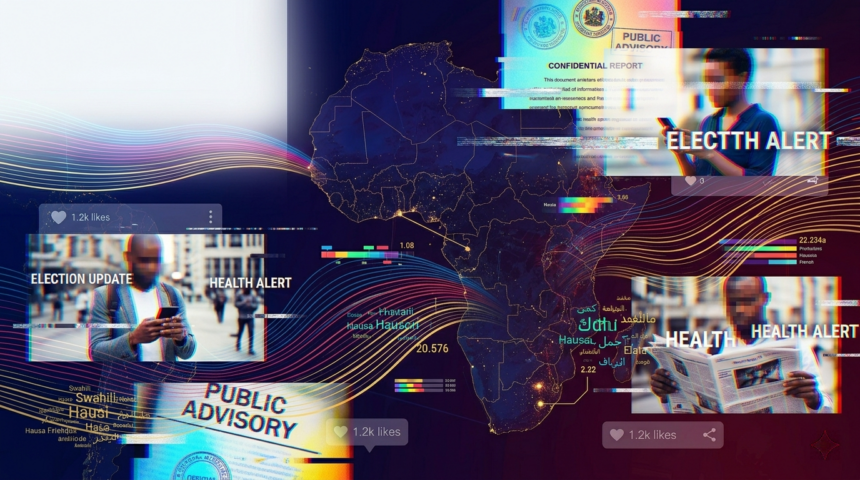
From fabricated government letters to manipulated visuals and selective truth-telling, a pattern is emerging around Kémi Séba’s digital ecosystem. In a world increasingly impacted by misinformation and fake news, it is important to understand how all of this works. We use the Kémi Séba playbook to track how misinformation is produced, amplified and weaponised – how it shapes public perception far beyond the facts.
- The spark: A controversial figure meets a digital ecosystem
Kémi Séba is no stranger to controversy – an activist who positions himself as a champion of Pan-Africanism and anti-colonial resistance. But beyond the rhetoric lies something more systematic: a loosely coordinated messaging ecosystem that blends activism with distortion.
This ecosystem doesn’t just react to events, it manufactures narratives.
- The fake document playbook
One of the clearest examples came in 2026, when a document began circulating online claiming that Séba had been stripped of his Niger diplomatic passport.
It looked official. It spread rapidly. It reinforced a powerful narrative: that Séba was being politically isolated.
Except, it wasn’t real.
Fact-checkers identified:
- Formatting inconsistencies
- Language errors inconsistent with official state documents
- No confirmation from Nigerien authorities
Officials later confirmed the claim was false.
What this shows:
A deliberate tactic of using fake “official” documents to create legitimacy, then let social media do the rest.
- Synthetic reality: AI and visual manipulation
In another instance, dramatic images purportedly showing Séba’s arrest in South Africa began circulating widely.
They were compelling. Emotional. Viral.
They were also likely AI-generated or digitally manipulated.
No credible source could verify them. Yet they travelled faster than the truth.
What this shows:
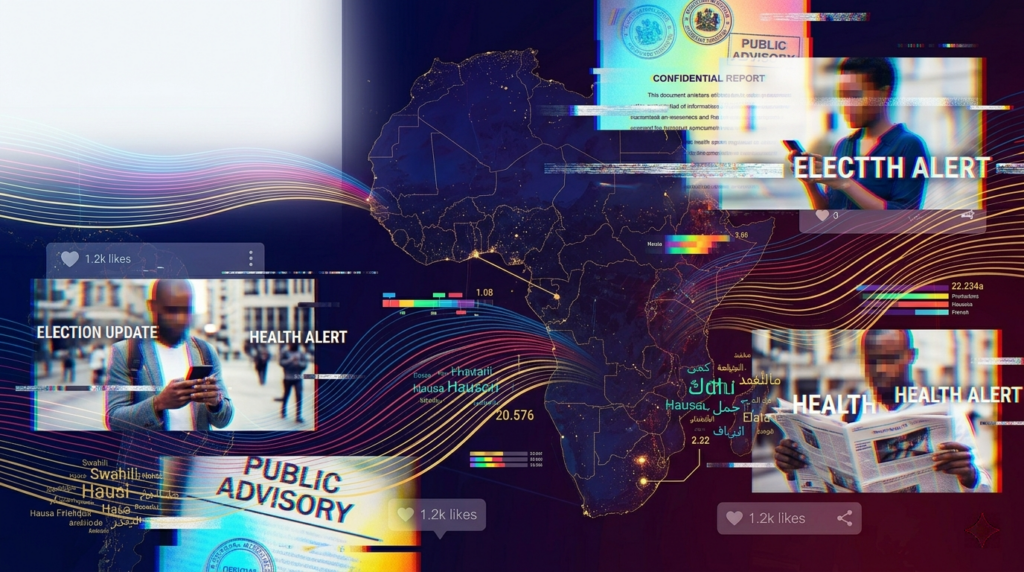
The shift from misinformation to synthetic media, where visuals, not facts, anchor belief.
- Rewriting Symbolism
A widely shared image depicted Séba burning a French passport – a potent anti-colonial symbol.
But the original image told a different story: He was burning a CFA franc banknote, not a passport.
The alteration wasn’t random. It sharpened the message, making it more dramatic, more defiant, more shareable.
What this shows:
Not just misinformation, but myth construction, where symbolism is edited to fit ideology.
- Selective truth and narrative framing
When Séba was detained in South Africa, his ecosystem quickly framed the situation as purely political persecution.
Missing from much of that narrative:
- Reports that he had overstayed his visa
- An arrest warrant issued in Benin linked to alleged incitement
These are verifiable facts, but they were largely absent in the dominant online narrative.
What this shows:
A more subtle tactic: don’t invent facts, rather omit the inconvenient ones.
- The amplification engine
None of these narratives succeed on their own. They rely on a network:
- Influencers aligned with his ideology
- High-volume social media accounts
- Platforms like TikTok, X, and Facebook
Together, they function as multipliers, turning fringe claims into mainstream talking points.
Even when debunked, the content lingers, is shared, reshared, and believed.
What this shows:
Misinformation here isn’t accidental, it’s networked and persistent.
- The geopolitical layer
Overlaying all of this is a consistent framing:
- The West (particularly France) as inherently exploitative
- Alternative powers (particularly Russia) as liberators
This binary framing often ignores complexity, nuance, and contradictory evidence.
What this shows:
An ecosystem that doesn’t just spread misinformation, it repackages geopolitics into ideology-driven narratives.
- The pattern
Across incidents, the same cycle repeats:
- Trigger event (arrest, court case, political tension)
- Narrative injection (fake document, altered image, exaggerated claim)
- Rapid amplification (aligned accounts, viral content)
- Emotional framing (victimhood, resistance, injustice)
- Narrative persistence (continues even after debunking)
- Why all of this matters
This isn’t just about one individual.
It’s about how modern political influence works:
- Credibility is manufactured, not earned
- Emotion outruns verification
- Digital ecosystems can reshape reality in real time
In a country like South Africa, where political narratives already run hot, the ability to distort facts at scale carries real-world consequences.
Kémi Séba may be the face, but the real story is the system behind him. And understanding that system is the first step in not being misled by it. – Africa360News